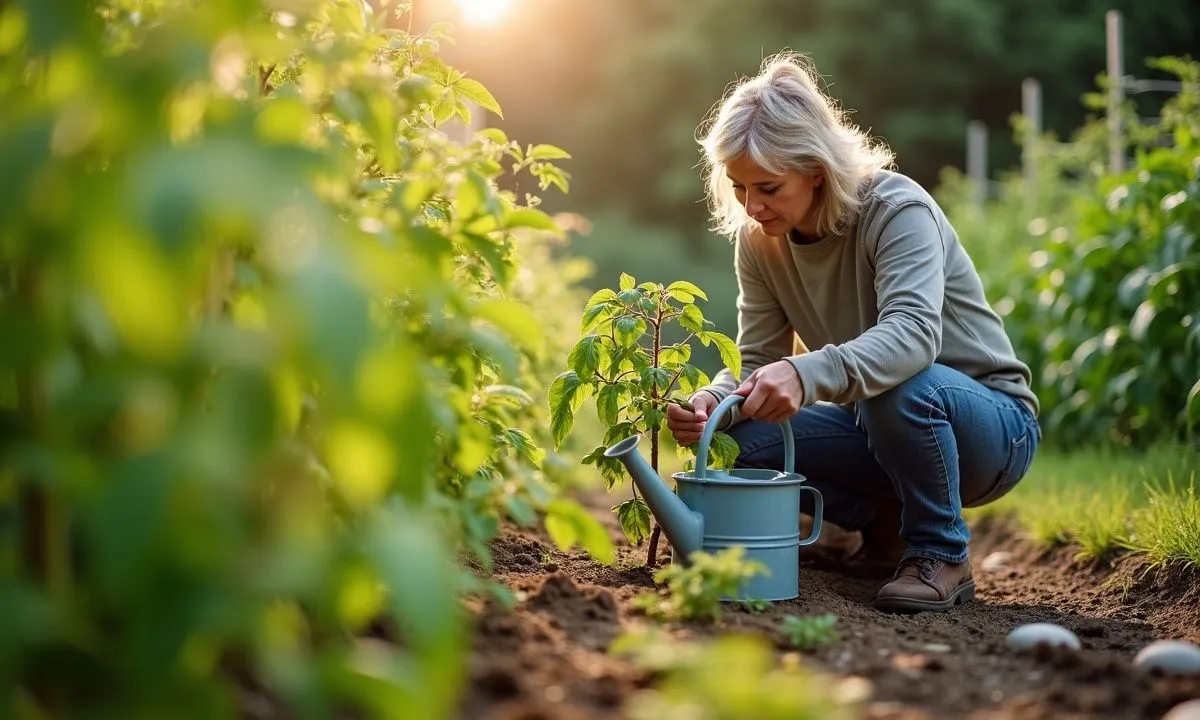
As the gardening season unfolds in 2026, many enthusiasts are eager to dig in and cultivate their green spaces. However, even seasoned gardeners can fall into common traps that hinder plant growth and diminish the joy of gardening. It’s easy to overlook simple practices amidst the excitement of planting. Whether you’re nurturing a small balcony garden or managing a sprawling backyard, recognizing and correcting these gardening mistakes can lead to a more fruitful and enjoyable experience.
1. Ignoring Soil Health
Healthy plants start with healthy soil. Many gardeners forget to test their soil before planting, leading to nutrient deficiencies or imbalances. A simple soil test can reveal pH levels and nutrient content, helping you amend the soil appropriately. Adding organic matter like compost not only enriches the soil but also improves its structure, allowing for better drainage and root development.
2. Overwatering Plants
It’s a common misconception that more water equates to healthier plants. Overwatering can suffocate roots and foster root rot. Many gardeners fail to account for varying water needs among different plants. To avoid this mistake, check the moisture level of the soil before watering. Using a moisture meter can be a quick way to gauge whether it’s time to water.

3. Planting Too Close Together
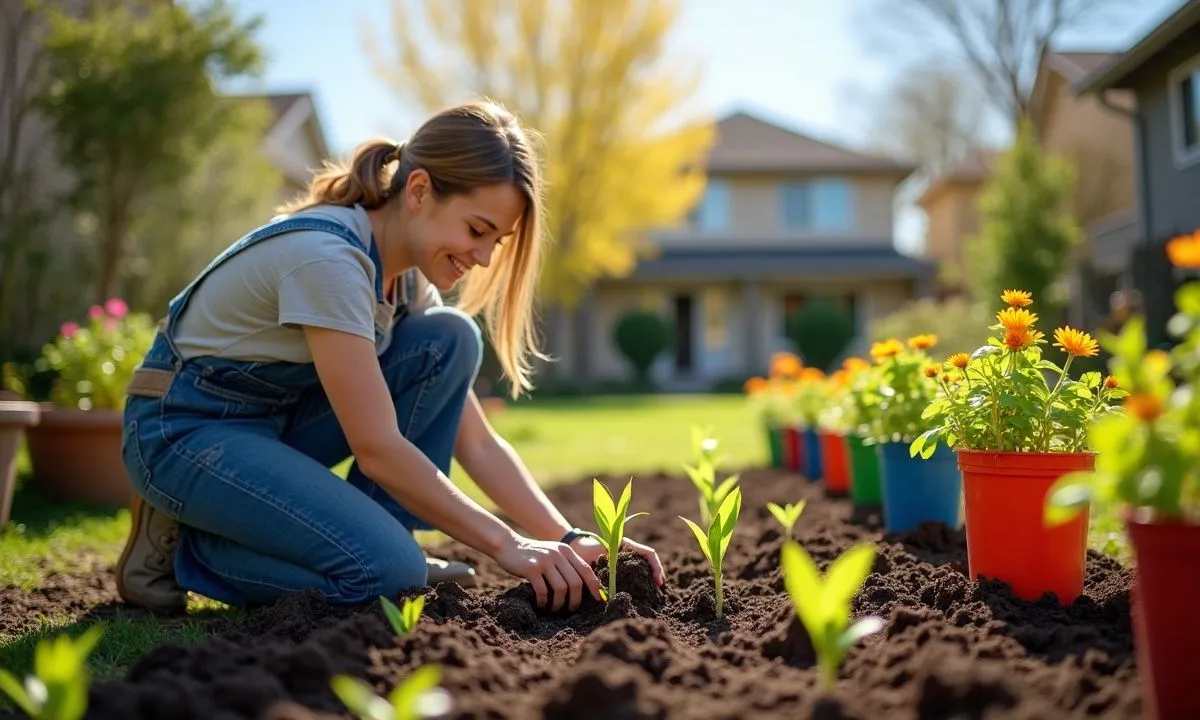
In the excitement of spring planting, it’s easy to cram in as many plants as possible. However, overcrowding can lead to competition for sunlight, water, and nutrients, ultimately stunting growth. Each plant has its own space requirements, which should be respected. Take the time to read the labels or guides on spacing to ensure each plant has room to thrive.
4. Skipping Mulching
Mulching often gets overlooked, yet it plays a crucial role in gardening. A good layer of mulch helps retain moisture, suppress weeds, and regulate soil temperature. Many gardeners neglect to apply mulch, allowing weeds to thrive and moisture to evaporate quickly. Using organic materials such as shredded bark or straw can provide additional nutrients as they break down.
5. Neglecting Pest Control
Pests can quickly turn a flourishing garden into a disaster. Some gardeners wait too long to address infestations, thinking they can handle the problem later. Instead of waiting, keep a close eye on your plants for signs of pests. Regular inspections and early intervention can prevent larger issues down the line. Consider introducing beneficial insects or using organic methods to keep pests at bay.

6. Choosing the Wrong Plants
Every garden has its own microclimate, and choosing plants that aren’t suited for your specific conditions is a common error. Some gardeners fall in love with the look of a plant without considering its requirements. Researching sunlight, water, and soil preferences before selecting plants can save a lot of disappointment later. Native plants are often more resilient and easier to care for.
7. Ignoring Seasonal Changes
Many gardeners become complacent about seasonal shifts, continuing to care for their gardens as they did in spring. However, as the seasons change, so do the needs of your plants. Be mindful of temperature fluctuations and adjust your care accordingly. This might mean shifting watering schedules, providing shade during hot spells, or protecting plants from frost in the fall.
8. Forgetting About Maintenance
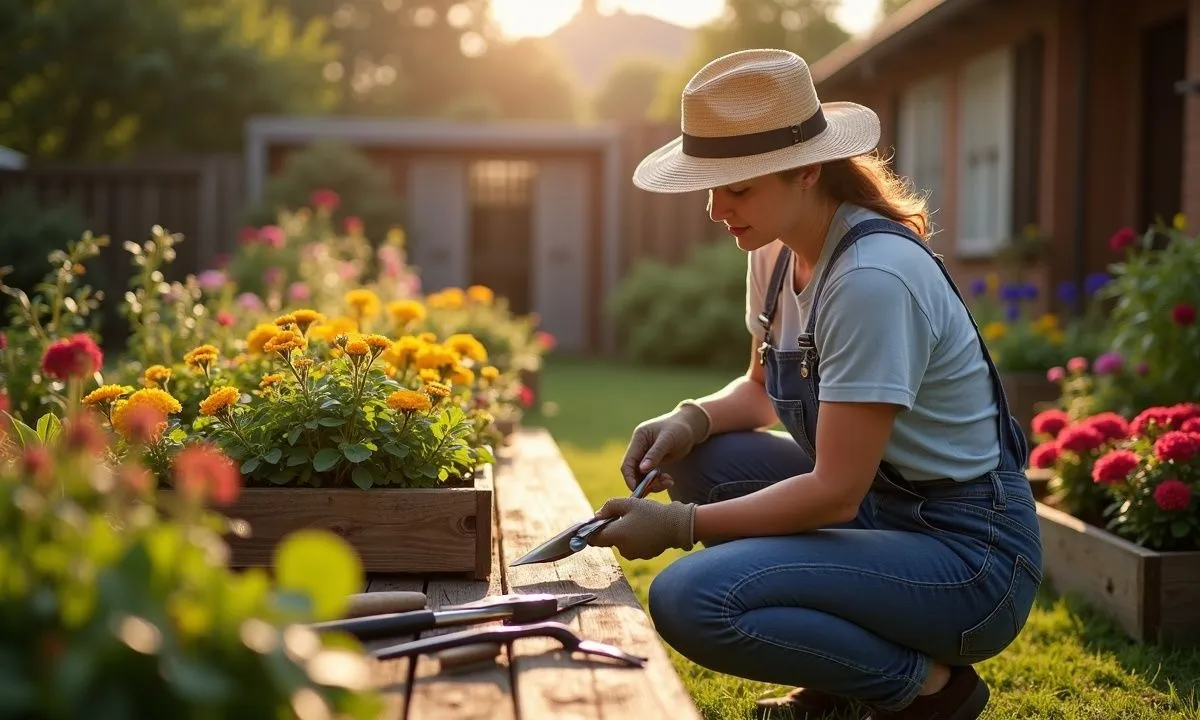
Gardening isn’t just a springtime activity; it requires ongoing maintenance throughout the year. Some gardeners plant and then forget about their gardens, leading to overgrown plants and neglected beds. Regular tasks like pruning, weeding, and deadheading can keep your garden looking its best. Set reminders or create a maintenance schedule to stay on top of these essential tasks.
9. Not Practicing Crop Rotation
Growing the same type of plants in the same spot year after year can deplete soil nutrients and increase the risk of disease. Crop rotation is a practice that helps maintain soil health and reduce pest problems. By changing the location of your plants each season, you can promote a healthier growing environment. This method is particularly important for vegetable gardens.
10. Using Chemical Fertilizers Excessively
While fertilizers can support plant growth, over-reliance on chemical options can lead to soil degradation and environmental harm. Many gardeners apply fertilizers without testing their soil, which can lead to nutrient overload. Consider using organic fertilizers or adopting a more balanced approach to feeding your plants, ensuring that you meet their needs without causing long-term damage.
11. Ignoring Plant Labels
Plant labels provide essential information about the specific needs of each plant. Ignoring these details can lead to planting mistakes that could have been easily avoided. Whether it’s light requirements, spacing, or watering needs, taking the time to read and follow instructions can make a significant difference in your gardening success.
12. Not Taking Advantage of Companion Planting
Many gardeners are unaware of the benefits of companion planting, where certain plants can thrive together while supporting each other’s growth. Failing to implement this strategy can lead to missed opportunities for pest control and improved yields. Research which plants work well together, and consider incorporating them into your garden layout.
13. Starting Seeds Too Late
Timing is critical when it comes to starting seeds. Some gardeners underestimate the growing season and start their seeds too late, missing out on optimal planting times. Check local planting calendars to ensure you’re starting your seeds at the right time. This small adjustment can lead to a more productive garden.
14. Neglecting to Harvest
In the excitement of seeing plants grow, some gardeners forget to harvest their produce at the right time. Leaving fruits and vegetables on the plant too long can lead to decreased quality and yield. Regularly check your plants and pick produce when it’s ripe to enjoy the best flavors and encourage continued growth.
15. Not Asking for Help
Gardening can be a solitary pursuit, but it doesn’t have to be. Many gardeners shy away from asking for help or advice, missing out on valuable insights. Joining local gardening clubs or online forums can provide support, ideas, and inspiration. Don’t hesitate to reach out to fellow gardeners; a shared passion can lead to new friendships.
As you step into the gardening season of 2026, remember that the journey is as important as the destination. Addressing these common gardening mistakes can lead to a healthier, more productive garden. Each plant you nurture carries the potential for growth and joy. So roll up your sleeves, dig in, and cultivate not just your garden, but also your gardening knowledge.

Comments (0)
No comments yet. Be the first to comment!
Leave a Comment