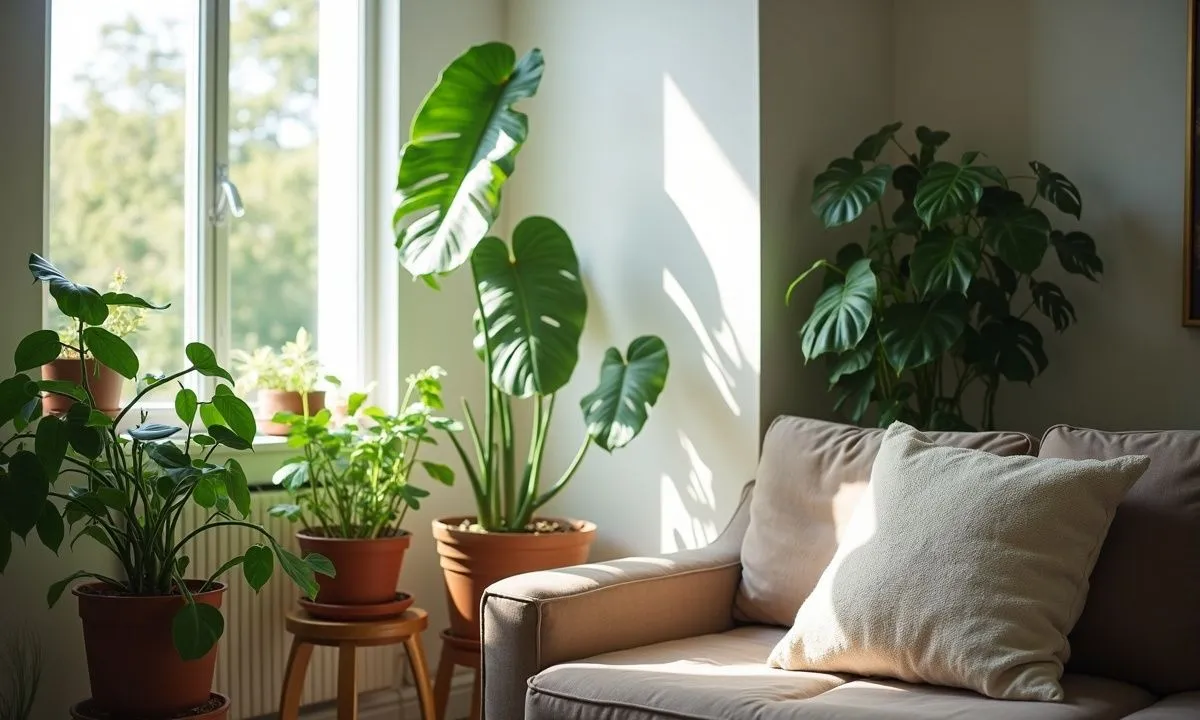
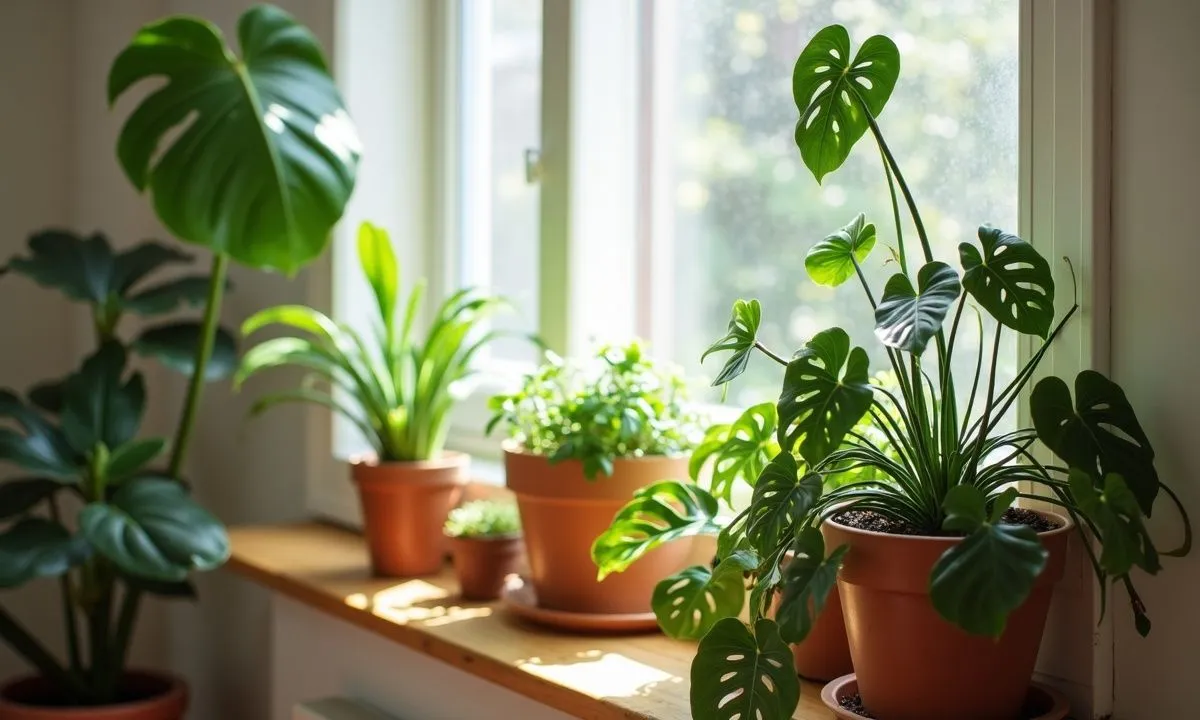
Imagine walking into a room filled with greenery, vibrant leaves reaching for the light, and the air infused with a sense of tranquility. Houseplants have become more than just decorative pieces; they are companions that enhance our living spaces and well-being. Yet, many people find themselves overwhelmed by the thought of caring for these green friends. Houseplant care basics seem straightforward, but common misconceptions and a lack of knowledge often lead to frustration. With so many options and varying needs, it's no wonder that houseplant enthusiasts often wish they had a guide to navigate this leafy world.
The Right Plant for Your Space
Choosing the right plant is the first step in successful houseplant care. Not every plant will thrive in every environment. Factors such as light availability, humidity, and temperature play crucial roles in a plant's health. For instance, succulents and cacti prefer bright, direct sunlight and dry conditions, while ferns thrive in humidity and indirect light.
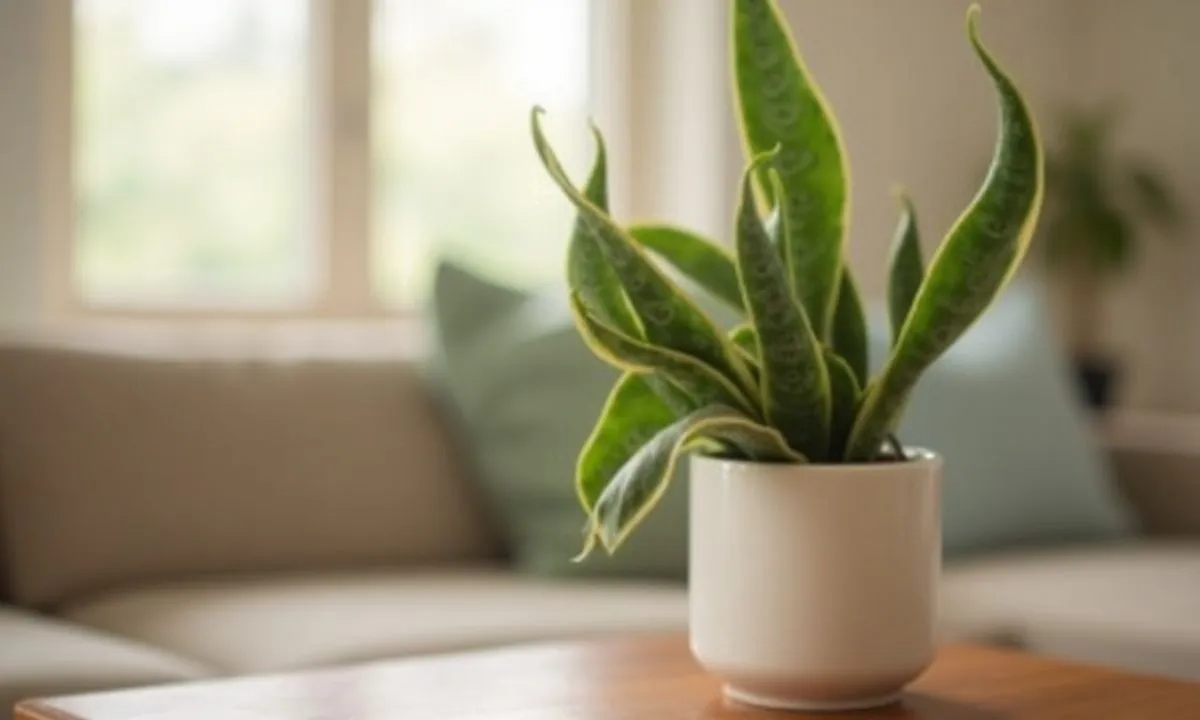
Consider your lifestyle as well. If you travel frequently or tend to forget about watering, opting for low-maintenance plants like snake plants or pothos may be wise. These plants can tolerate neglect and adapt to various lighting conditions, making them perfect for busy individuals.
Understanding Light Requirements
Light is often cited as the most critical element for plant growth, yet many people underestimate its importance. Different plants have different light needs, which can be categorized into three main types: low light, medium light, and bright light. Knowing which category your plant falls into can save you from potential heartache.
Low Light Plants
Plants such as the ZZ plant and peace lily can thrive in dimly lit corners. They require minimal sunlight and can flourish in indirect light. However, be cautious not to overwater them, as their roots can rot in soggy soil.
Medium to Bright Light Plants
On the other hand, plants like the fiddle leaf fig and rubber plant love basking in bright, indirect light. Placing them near a window where they receive filtered sunlight can create a thriving environment. Just remember to rotate them occasionally to ensure even growth.
Watering Wisely
Watering is perhaps the most misunderstood aspect of houseplant care. Overwatering is a leading cause of houseplant demise, often leading to root rot. The key is to understand your plant's watering needs and the soil's moisture level. A good rule of thumb is to stick your finger about an inch into the soil. If it feels dry, it’s time to water. If it’s still moist, wait a few more days.
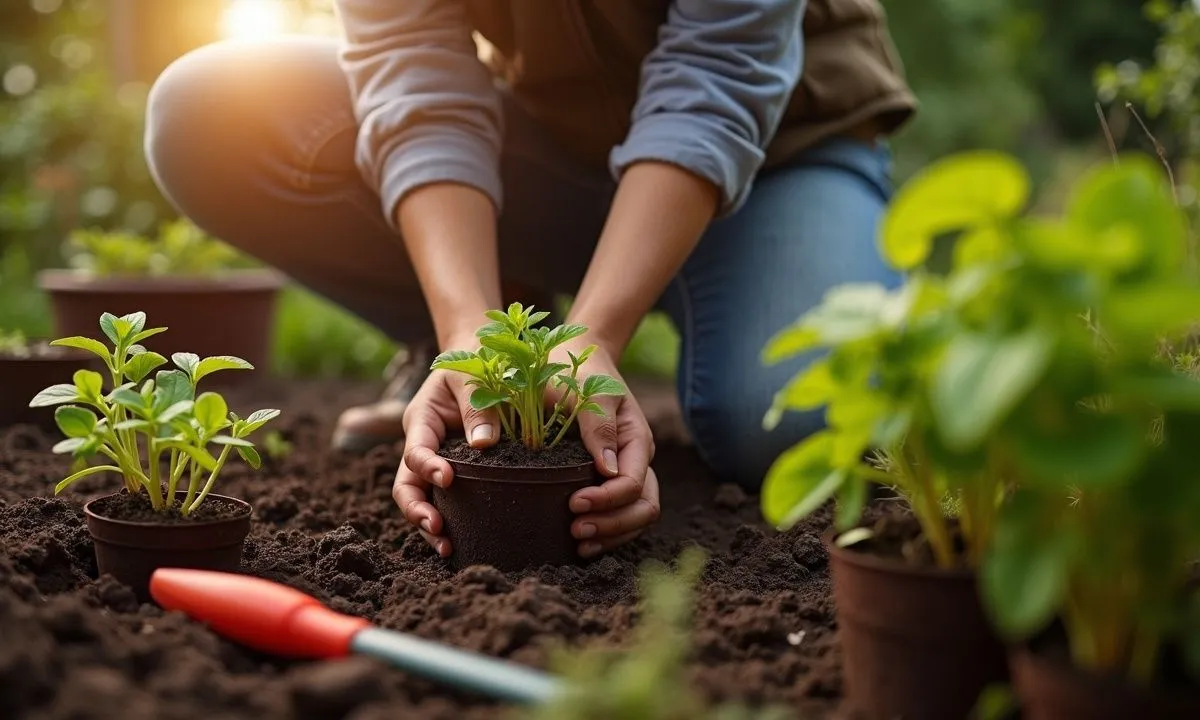
Different plants also have varying watering schedules. For instance, a spider plant may need more frequent watering compared to a succulent, which prefers to dry out completely between waterings. Tailoring your approach can make all the difference.
Soil Matters
The type of soil you use can significantly impact your plant's health. Not all potting mixes are created equal. Some plants, like orchids, require a specialized mix that allows for good drainage and airflow. Others, such as ferns, thrive in a more moisture-retentive blend.
It's also essential to consider repotting. As plants grow, they may outgrow their containers, leading to root-bound conditions. Repotting every couple of years ensures they have enough space for their roots to expand and access fresh nutrients.
Humidity and Temperature
Indoor environments, particularly during winter months, can be quite dry. Many tropical plants, like monstera and philodendron, thrive in higher humidity levels. If you notice brown leaf tips or edges, it might be a sign that your plant needs more moisture in the air.
Simple solutions include placing a humidifier nearby or grouping plants together to create a microclimate. Alternatively, misting the leaves occasionally can provide a temporary boost in humidity.
Temperature is another factor to monitor. Most houseplants prefer temperatures between 65°F and 75°F. Avoid placing them near drafts, heaters, or air conditioning vents, as sudden temperature changes can stress the plants.
Fertilizing for Growth
Many houseplant owners believe that fertilizing is a one-size-fits-all approach. However, understanding when and how to fertilize is essential. Most plants benefit from regular feeding during their growing season, typically spring and summer. A diluted, balanced fertilizer can provide the necessary nutrients for vibrant growth.
Over-fertilizing can be just as harmful as under-fertilizing. Signs of nutrient burn include crispy leaf edges and yellowing leaves. A little goes a long way, so err on the side of caution.
Pest Management
Even the most diligent plant parent might encounter pests at some point. Common houseplant pests include spider mites, aphids, and mealybugs. Regularly inspecting your plants for signs of pests can save you from larger infestations.
Natural remedies, such as neem oil or insecticidal soap, can be effective in managing these pests without resorting to harsh chemicals. If you notice a few pests, isolating the affected plant can prevent the spread to your other green companions.
Seasonal Care Adjustments
As seasons change, so do the needs of your plants. Many plants enter a state of dormancy during the colder months, requiring less water and no fertilizer. Observing how your plants react to seasonal shifts can help you adjust your care routine accordingly.
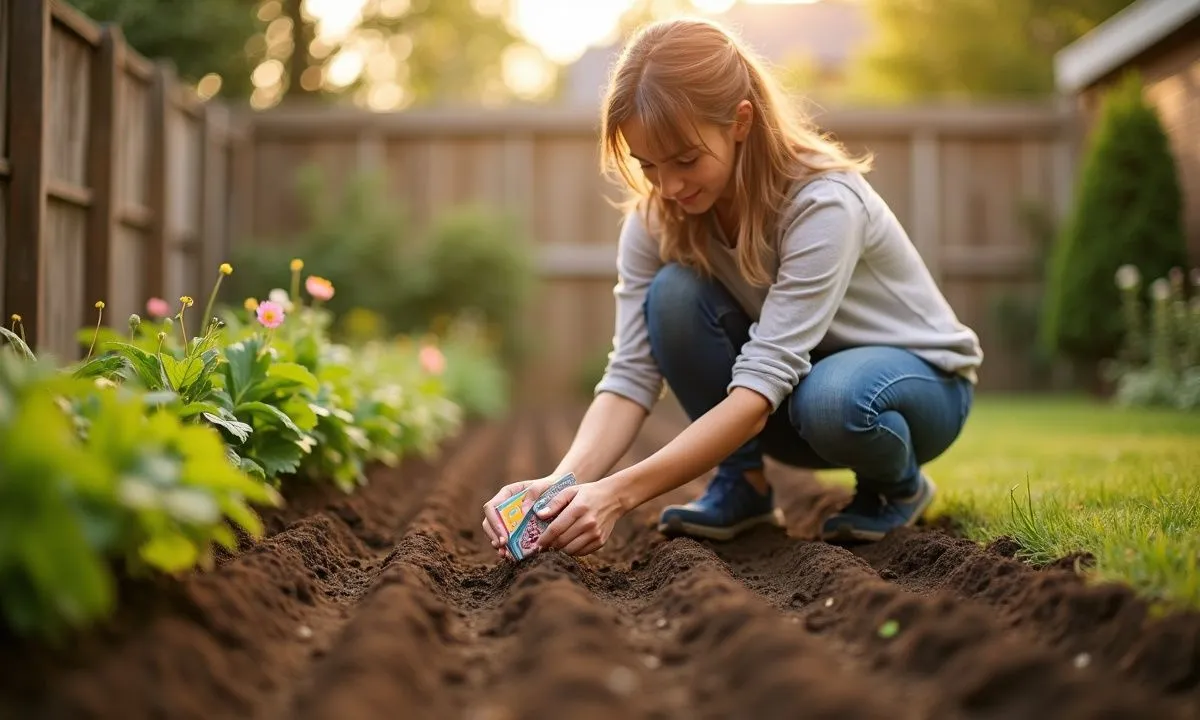
In spring, when the days get longer and warmer, many houseplants will begin to show signs of new growth. This is the perfect time to repot or propagate your plants. The excitement of new growth can be incredibly rewarding and a sign that your care has been effective.
Connecting with Your Plants
Caring for houseplants is not just about providing the right conditions; it's about building a relationship. Spend time observing your plants, noting their growth patterns, and understanding their quirks. This connection can lead to a more fulfilling experience, making the effort worthwhile.
Consider keeping a journal of your plant care journey. Documenting your successes, failures, and observations can provide insights and help you refine your approach over time. Each plant has a story, and your care plays a significant role in its narrative.
In the world of houseplant care, there is always something new to learn. Whether you’re a seasoned plant parent or just starting, embracing the basics can set you on the path to creating a flourishing indoor garden. The joy of nurturing these living beings and witnessing their growth can profoundly enrich your life. As you cultivate your green space, remember that each plant is a reflection of your care, patience, and passion.

Comments (0)
No comments yet. Be the first to comment!
Leave a Comment