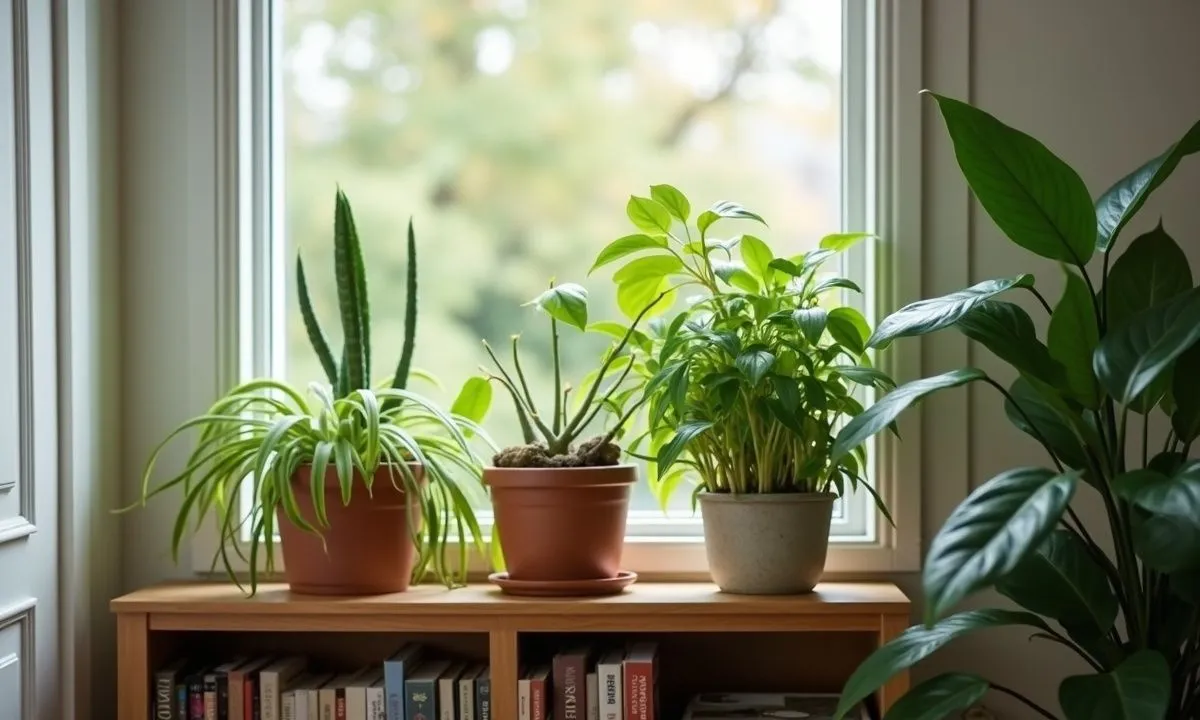
There’s something special about a well-tended home filled with greenery. Indoor plants not only bring a splash of nature indoors but also offer a touch of tranquility in our busy lives. As we look ahead to 2026, many people are seeking ways to improve their living spaces while also making mindful choices for their health. Indoor plants that purify air and can withstand a bit of neglect are particularly sought after, as they fit perfectly into both the aesthetic and practical demands of modern life.
Why Choose Indoor Plants?
Indoor plants do more than just look good. They can improve indoor air quality by filtering harmful pollutants. Studies have shown that certain plants can absorb toxins present in common household items and materials, such as formaldehyde from furniture and benzene from cleaning products. This natural form of purification can contribute to a healthier living environment.
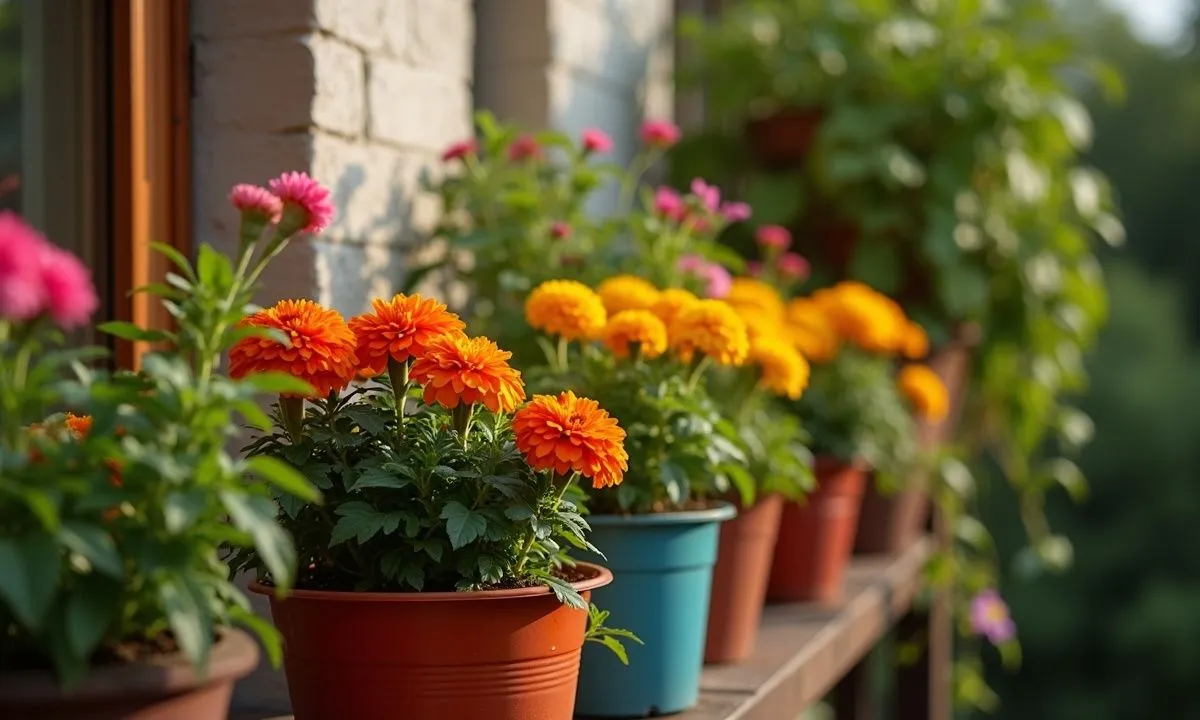
For many, the appeal of houseplants goes beyond air quality. They can create a sense of calm and stability in a fast-paced world. The right plant can be a silent companion, brightening your mood while requiring minimal care. For those who may not have a green thumb or a lot of time to dedicate to plant care, selecting the right varieties makes all the difference.
Top Indoor Plants for 2026
Snake Plant
The Snake Plant, also known as Sansevieria, is often celebrated for its resilience. This plant can thrive in low light and requires infrequent watering, making it perfect for anyone who might forget to tend to their greenery. Its tall, upright leaves lend a modern touch to any space while efficiently filtering toxins like formaldehyde and xylene.
Pothos
Pothos is among the most popular indoor plants, and for good reason. Known for its cascading vines, this plant is incredibly forgiving. It can thrive in various lighting conditions, from bright indirect light to low light, and only needs watering when the soil feels dry. Pothos is particularly effective at removing indoor air pollutants, contributing to a fresher home environment.
Peace Lily
With its elegant white blooms, the Peace Lily adds a touch of grace to any room. Beyond its beauty, it's known for its ability to purify the air, particularly against ammonia, benzene, and formaldehyde. This plant prefers a bit more moisture, so a simple watering routine can keep it healthy. The peace lily also has an impressive ability to adapt to low light conditions, making it a versatile choice.
Spider Plant
Spider Plants are a classic choice for homes and offices. Their arching leaves and small “baby” plants make them visually appealing. These plants are not only easy to care for but also effective at removing carbon monoxide and other pollutants. They thrive in bright, indirect light and can tolerate a range of watering conditions, making them ideal for those who may not always remember their plant care routines.
ZZ Plant
The ZZ Plant is a true survivor. With its glossy leaves and upright growth habit, it adds a touch of modern elegance to any space. This plant thrives on neglect, needing little light and infrequent watering. Its ability to thrive in low-light conditions and withstand long periods of drought makes it a favorite among busy individuals who want to bring greenery into their homes.
Aloe Vera
Aloe Vera is not just a pretty face; it's a multi-functional plant. Beyond its air-purifying abilities, it boasts soothing properties for minor burns and skin irritations. This succulent prefers bright, indirect sunlight and requires watering only when the soil has completely dried out. Its low-maintenance nature makes it an ideal choice for those who appreciate both beauty and utility.
Tips for Caring for Your Indoor Plants
Bringing indoor plants into your home is just the first step; proper care is essential to keep them thriving. Here are some practical tips to ensure your plants flourish:
Understand Light Requirements
Each plant has specific light needs. Some thrive in bright light, while others do well in low-light conditions. Position your plants accordingly to help them prosper. For those unsure about lighting conditions, consider moving plants around to see where they seem happiest.
Water Wisely
Overwatering is a common mistake. Always check the soil before watering; if it feels damp, it’s best to wait a few more days. Each plant has its own watering frequency, so getting to know your plants will help you keep them healthy.
Dusting Leaves
Dust can accumulate on leaves, blocking sunlight and reducing photosynthesis. Gently wiping leaves with a damp cloth can help your plants absorb light more effectively. This simple act can enhance their overall health and appearance.
Creating a Plant-Friendly Environment
Beyond individual care, creating an inviting environment for your indoor plants enhances their growth. Consider grouping plants together; this can create a microclimate that benefits all. Additionally, placing plants in common areas can help remind you to give them the attention they need.

As we move into 2026, the trend of incorporating indoor plants into our lives is likely to continue. With their ability to improve air quality and their forgiving nature, these plants provide a perfect blend of beauty and practicality. For busy individuals and plant enthusiasts alike, choosing the right varieties can lead to a rewarding experience.
Final Thoughts
Choosing the best indoor plants for your home is about finding those that fit your lifestyle and preferences. By selecting resilient plants that purify the air, you create a living space that not only looks good but also feels good to live in. As we embrace the future, nurturing these green companions can add joy and serenity to our daily lives.

Comments (0)
No comments yet. Be the first to comment!
Leave a Comment