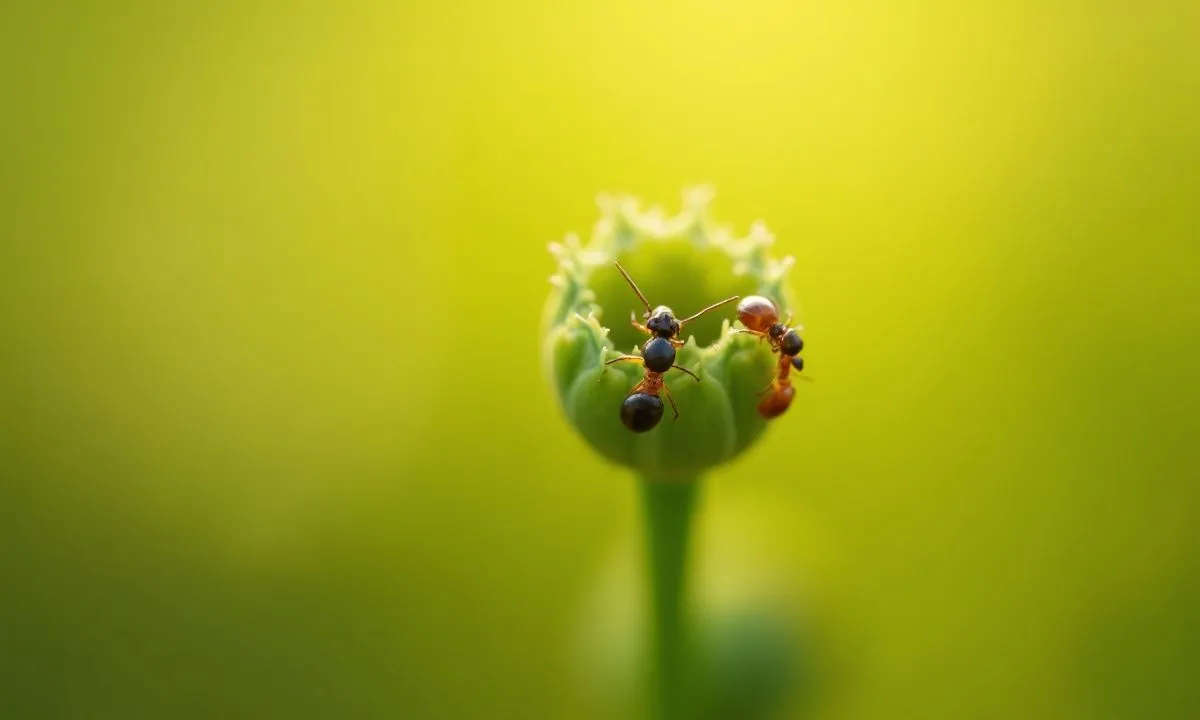
On a warm afternoon in early spring, the scent of blooming flowers fills the air, but there’s something lurking among the petals. Tiny ants march across the garden, while aphids cluster on the tender shoots. For many homeowners, these unwelcome visitors can quickly turn a peaceful day into a battle for control. As the demand for organic living grows, so does interest in natural pest control methods that are effective without relying on harsh chemicals.
Understanding Natural Pest Control
Natural pest control refers to methods that use environmentally friendly techniques to manage unwanted insects and pests. This approach often relies on understanding the ecosystem and finding ways to maintain balance rather than disrupting it. From introducing beneficial insects to utilizing natural repellents, the options are as varied as the pests themselves.
Why Choose Natural Methods?
Many people are turning toward natural pest control due to increasing awareness about the potential side effects of chemical pesticides. These substances can linger in the environment, affect beneficial insects, and even pose health risks to humans and pets. The growing trend in sustainable living encourages a shift away from synthetic solutions, favoring gentler, more harmonious approaches.

Common Natural Pest Control Techniques
When it comes to managing pests naturally, there are various strategies to consider. Here are some practical methods that have shown effectiveness in gardens and homes alike.
Companion Planting
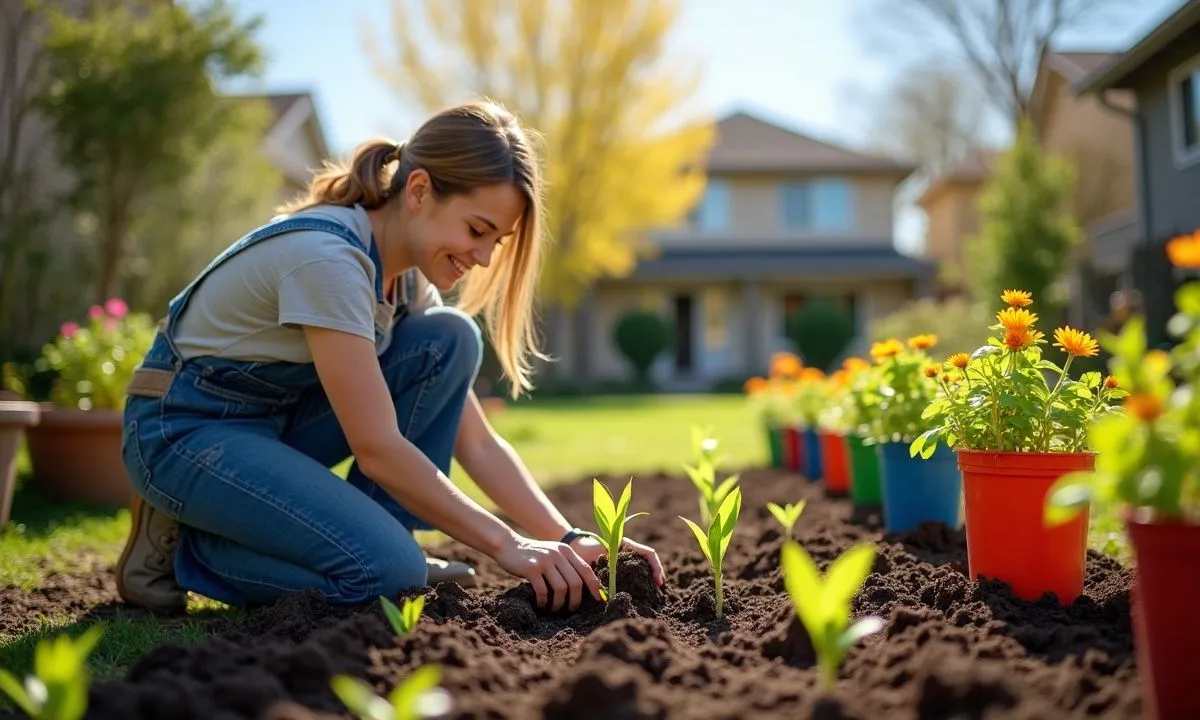
Companion planting involves placing certain plants in proximity to one another to deter pests and promote growth. For example, marigolds are known to repel nematodes and aphids, making them an excellent addition to vegetable gardens. Basil planted alongside tomatoes can help ward off tomato hornworms. By leveraging the natural relationships between plants, gardeners can create a more pest-resistant environment.
Beneficial Insects
Introducing beneficial insects into your garden can provide significant control over harmful pests. Ladybugs and lacewings, for instance, are voracious consumers of aphids. Planting flowers like dill or yarrow can attract these helpful creatures, allowing nature to take its course. Creating a habitat rich in diversity will encourage these allies to thrive and keep pest populations in check.
Natural Repellents
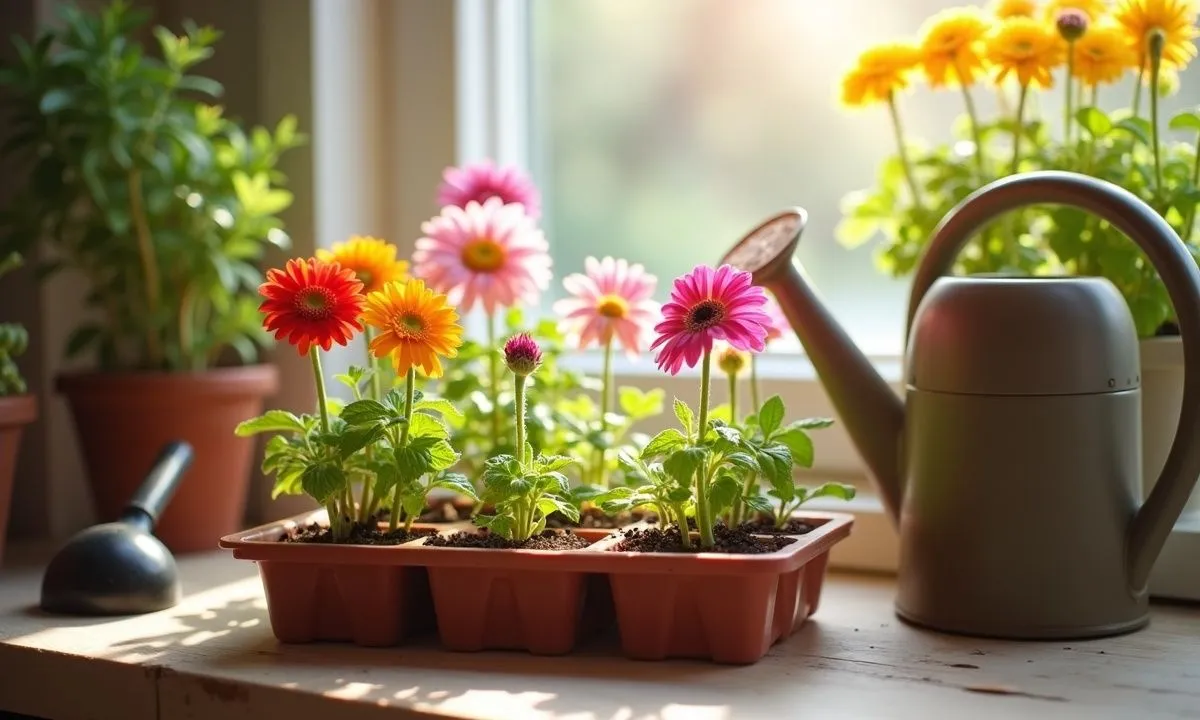
Many natural substances can deter pests effectively. Essential oils like peppermint, lavender, and eucalyptus are known for their insect-repelling properties. A simple spray made from diluted essential oils can keep mosquitoes and flies at bay. Additionally, creating barriers with diatomaceous earth can help protect plants from crawling insects, as the fine powder damages their exoskeletons upon contact.
Home Remedies for Specific Pests
For those facing particular pest problems, several home remedies can provide relief without resorting to chemicals. Here are a few targeted approaches for common nuisances.
Ants
To combat ants, a mixture of vinegar and water can disrupt their scent trails. Spraying this solution where ants are seen can deter them from returning. Additionally, placing cinnamon or coffee grounds at entry points can create a natural barrier, as these substances are unpleasant for ants.
Fruit Flies
Fruit flies can be a frustrating issue, especially in kitchens. A simple trap can be made using a jar filled with apple cider vinegar and covered with plastic wrap, punctured with small holes. The scent attracts the flies, while the holes prevent them from escaping. This method is straightforward and uses ingredients readily found in most homes.
Garden Pests
For caterpillars and other garden pests, a solution of soap and water can be effective. This mixture can suffocate pests when sprayed directly on them. Be sure to test any solution on a small area first to ensure no damage occurs to the plants. Regular monitoring can help catch infestations early, minimizing the need for more drastic measures.
The Role of Education and Community
Understanding natural pest control is not just about individual actions; it’s also about community awareness and education. Local gardening clubs and workshops can provide valuable information on sustainable practices. Sharing experiences and solutions enhances the collective knowledge and encourages more homeowners to adopt natural methods.
Embracing Biodiversity
Another essential aspect of effective natural pest control is embracing biodiversity. A diverse garden with various plants, flowers, and shrubs can create a balanced ecosystem. This diversity helps attract beneficial insects, birds, and other wildlife that contribute to pest management. It’s a reminder that nature has its own systems in place, and fostering these systems can lead to healthier gardens.
Looking Ahead: The Future of Pest Management
As we move deeper into the era of organic living, the importance of natural pest control will likely grow. Continued research and communal efforts will refine our understanding of ecosystems and pest dynamics. Homeowners are encouraged to document their experiences and share what works. This collaborative spirit can lead to a more sustainable approach to gardening and pest management across the board.
Natural pest control is not just a trend; it’s a return to a more harmonious way of interacting with our environment. By using methods rooted in nature, we can cultivate gardens that are not only productive but also thriving ecosystems. Whether it’s planting companion plants or creating habitats for beneficial insects, every small step contributes to a larger goal of sustainability and health. The journey toward an insect-free garden can be filled with challenges, but with patience and persistence, natural solutions can lead to lasting results.

Comments (0)
No comments yet. Be the first to comment!
Leave a Comment